
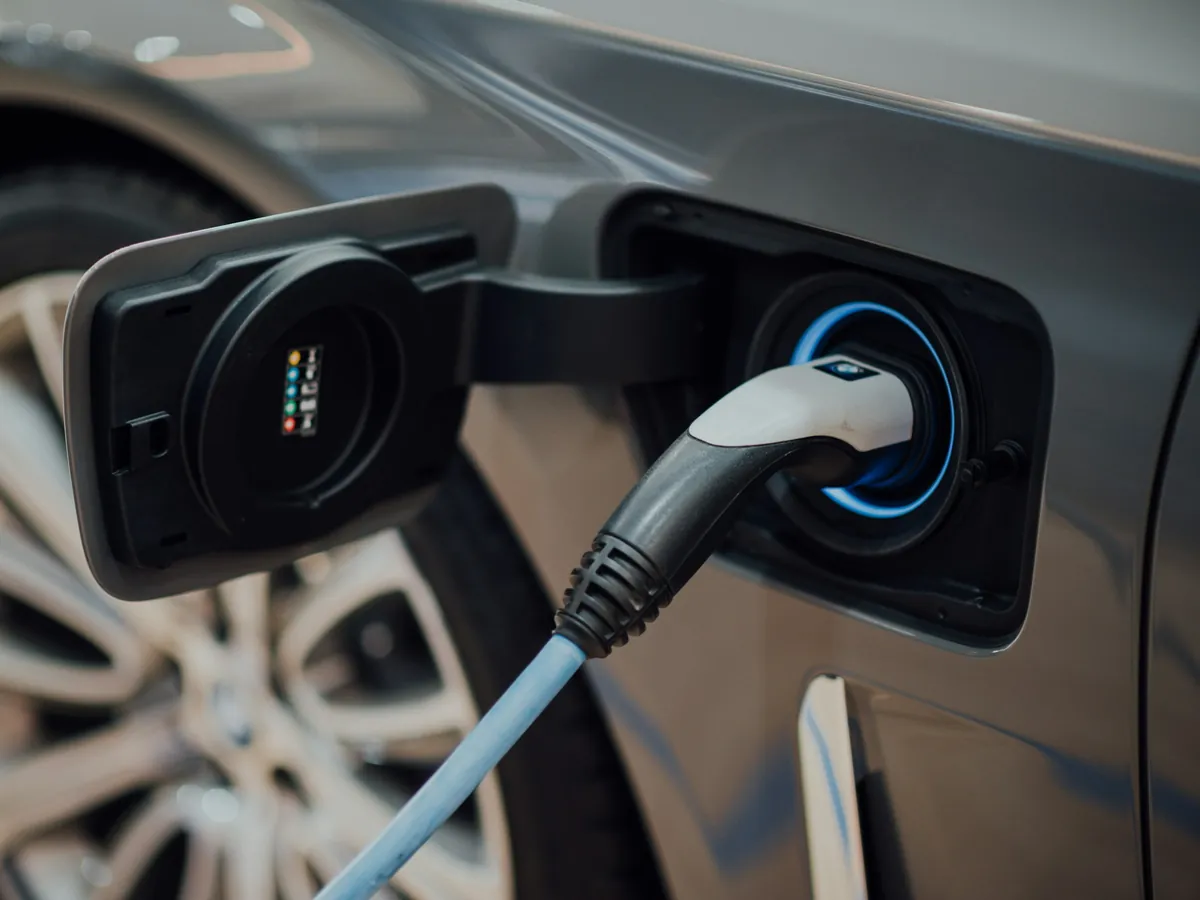
EV Charger Installation in South Croydon
EV charger installation in South Croydon for homes and businesses, with a full check of your supply, fuse box and earthing first. We fit, test and certify the charger, and give you a free quote before we start.
- NAPIT registered electrician
- 40 years in business
- Free, no-obligation quotes
- 24/7 emergency call-outs

EV charger installation in South Croydon
- 01
Checking your supply and earthing
Before fitting a charger, we check the size of your main fuse, the spare capacity in your consumer unit and the type of earthing you have. Many homes have a PME earth, which needs either an earth rod or a charger with built-in protection against a broken neutral.
- 02
Tethered or untethered chargers
A tethered charger has its cable fixed on, so you just plug it into the car. An untethered one has a socket, so you use your own cable, which looks tidier and suits a household that may change cars. Both charge at the same speed.
- 03
How fast it will charge
Most homes have a single phase supply, which allows a charger of up to around 7kW. That adds roughly 20 to 30 miles of range for every hour of charging, depending on the car. Faster 22kW chargers need a three phase supply.
What to expect from an EV charger installation
We start with a survey, either in person or from photos of your fuse box, meter and parking area. We look at where the charger will go, how the cable will reach it and whether load management is needed. You then get a free quote that covers the whole installation.
On the day, we mount the charger, run the cable from your consumer unit and fit any protection or earth rod needed. We test everything, set up the app with you and notify the network operator. You get an Electrical Installation Certificate for the new circuit.
What's included
- Survey of supply, fuse box and earthing
- Charger mounted where it suits you
- Dedicated circuit and protection
- Network operator notified
- Testing and certification
- App set up with you
How it works
Get in touch
Call or send a message about the job. For urgent faults we aim to respond the same day, with no call-out charge.
Visit and free quote
An electrician comes out, checks the job and talks you through the options, then you get a free, no-obligation quote.
Tested and certified
When the work is finished, we test everything we've worked on and hand over the right certificate for the job.
EV charger installation questions
Do I need to tell anyone before fitting an EV charger in South Croydon?
The network operator, UK Power Networks, must be notified when a charger is installed, and for larger loads approval may be needed first. We handle this for you. If you rent, or the property is leasehold, you'll also need permission from the landlord or freeholder.
Can an EV charger overload my home's electricity supply in Croydon?
It can if the main fuse is small and other heavy appliances run at the same time. Many chargers have load management, which measures your total use and slows charging when the house needs more power. We check your supply and set this up where it's needed.
Can I use my EV charger with solar panels?
Yes, some chargers can be set to use spare solar power, charging the car from your panels when they're producing more than the house needs. This works best if you're home during the day. We can advise which chargers offer this and wire them to suit.
What happens if my fuse box isn't suitable for an EV charger?
Sometimes the charger can be supplied from a small separate unit next to the meter, which avoids replacing the whole fuse box. If your consumer unit is old or unsafe, replacing it may be the better option. We explain the choices and include them in your quote.
EV charger installation across Croydon
We install EV chargers for homes and businesses in the areas below. Choose yours for more.
Other EV charging services in South Croydon
Book EV charger installation in South Croydon
Send us photos of your fuse box, meter and parking spot, and we'll give you a free quote.